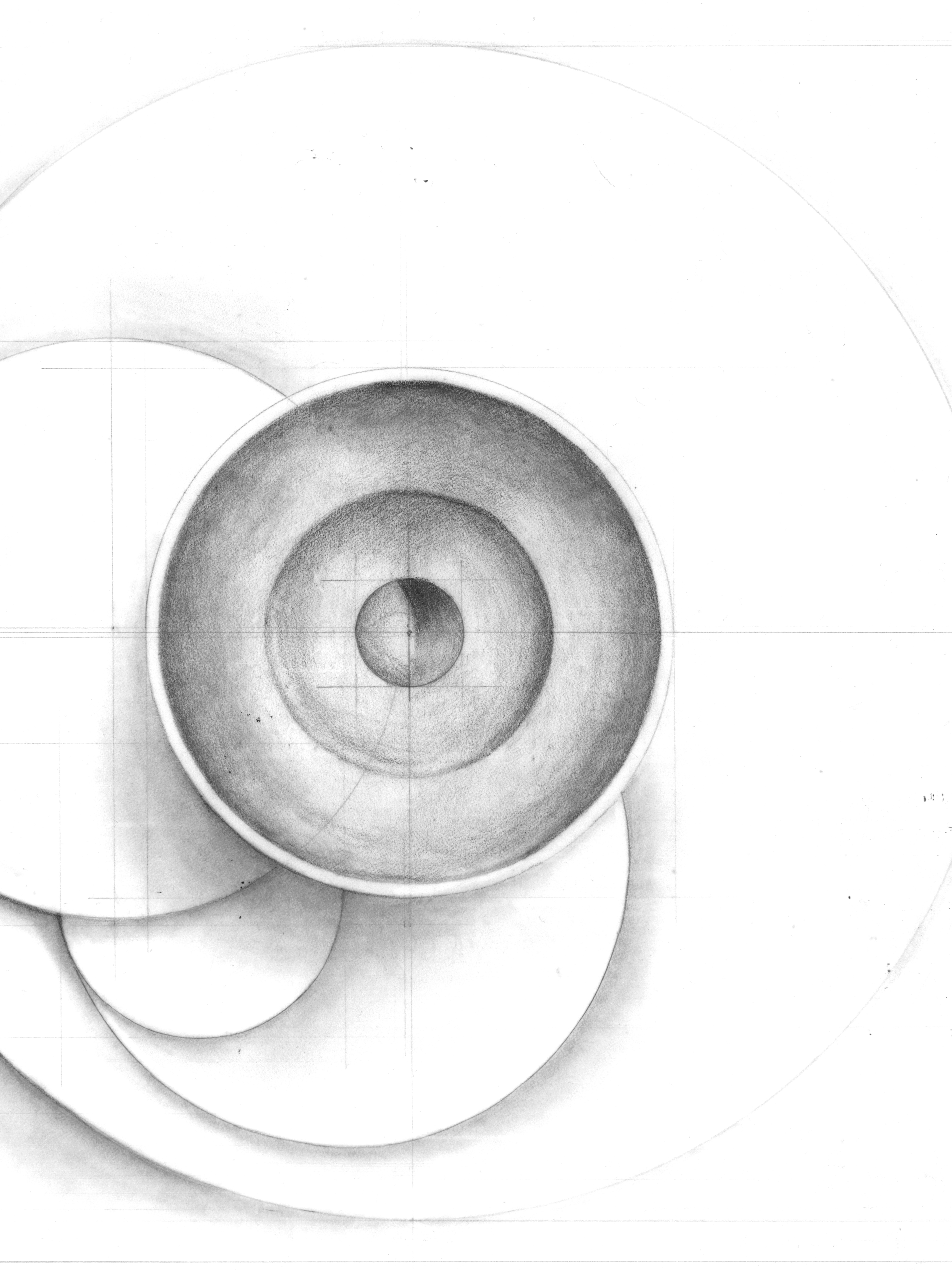
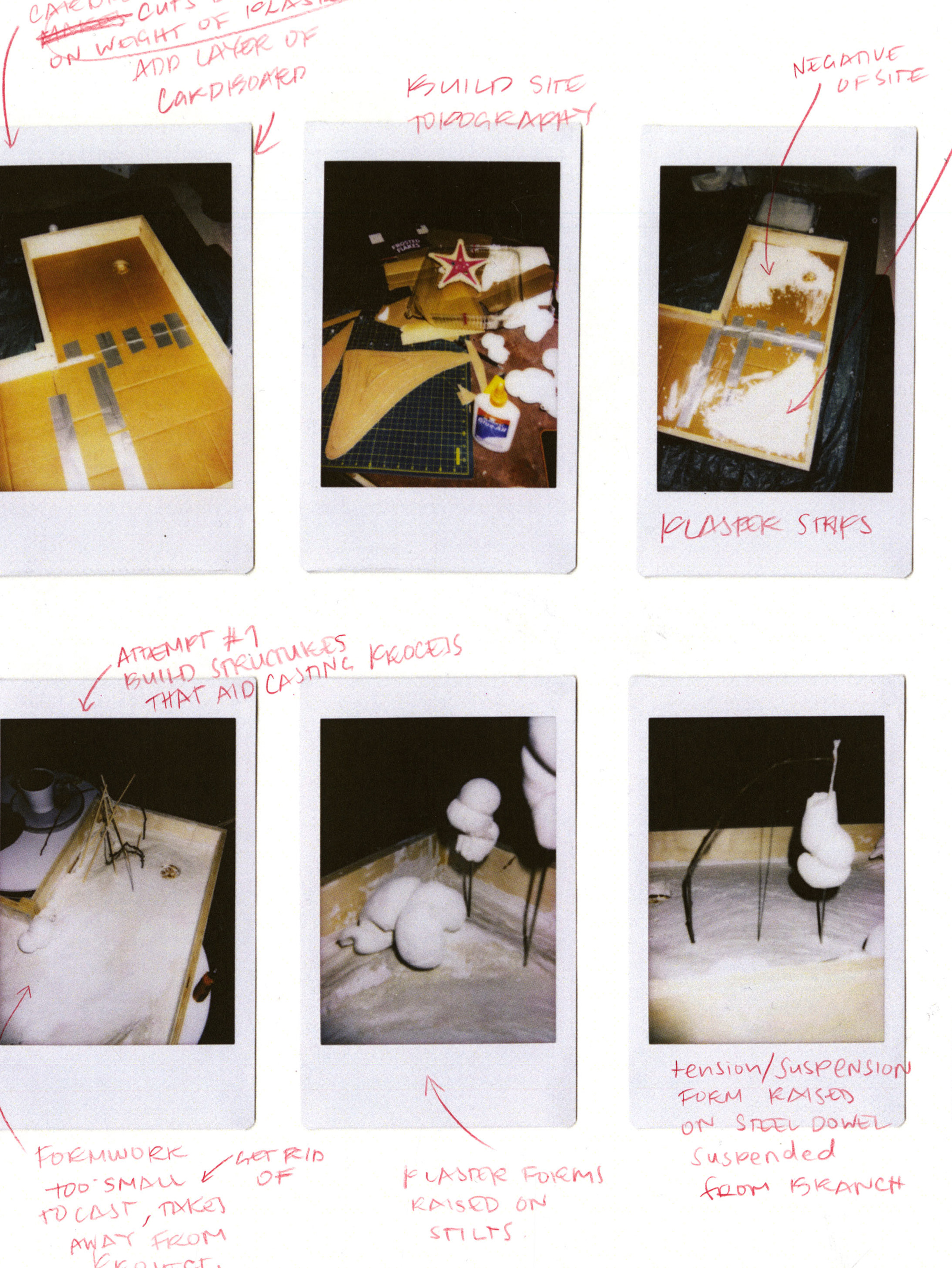
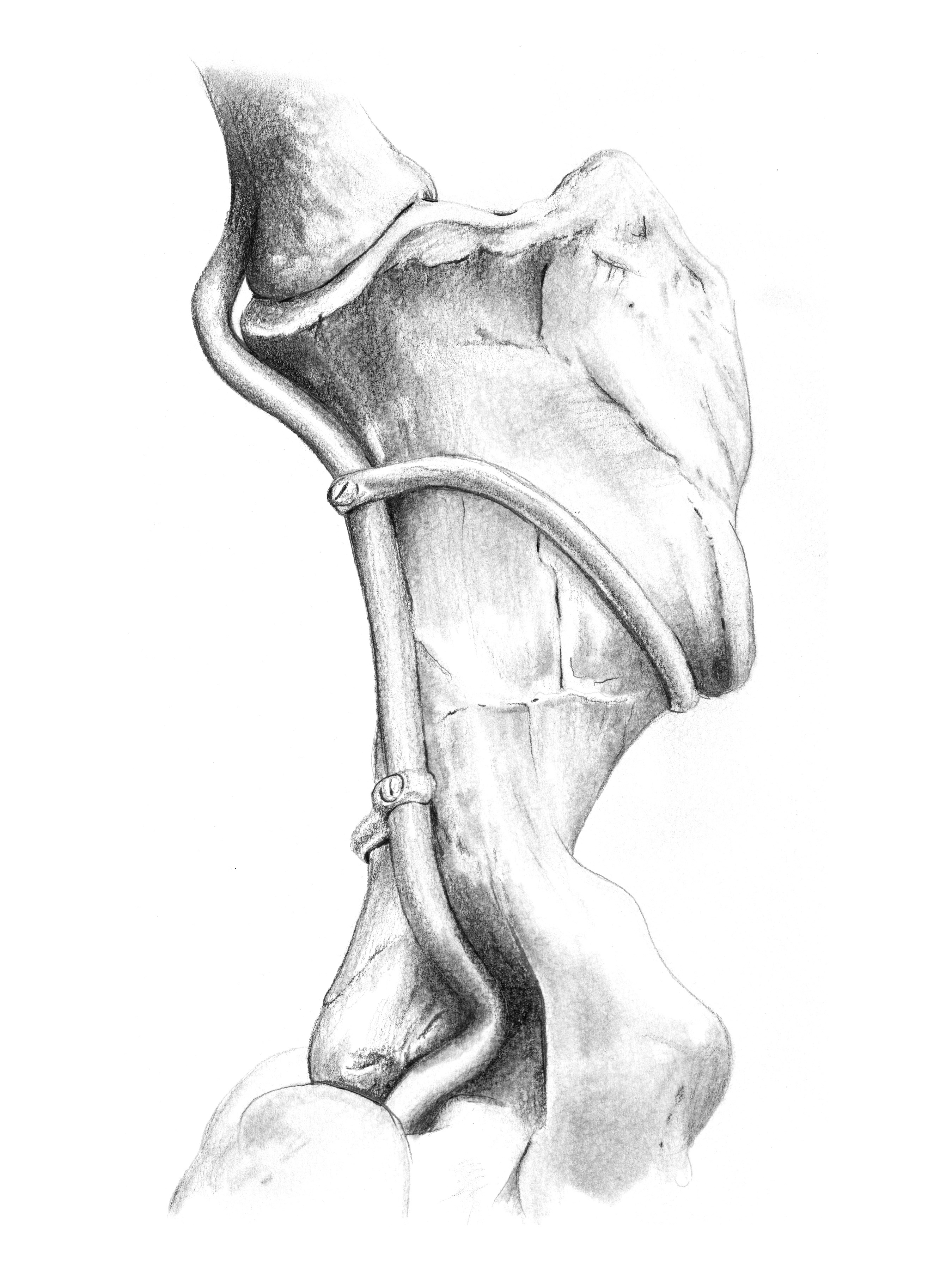
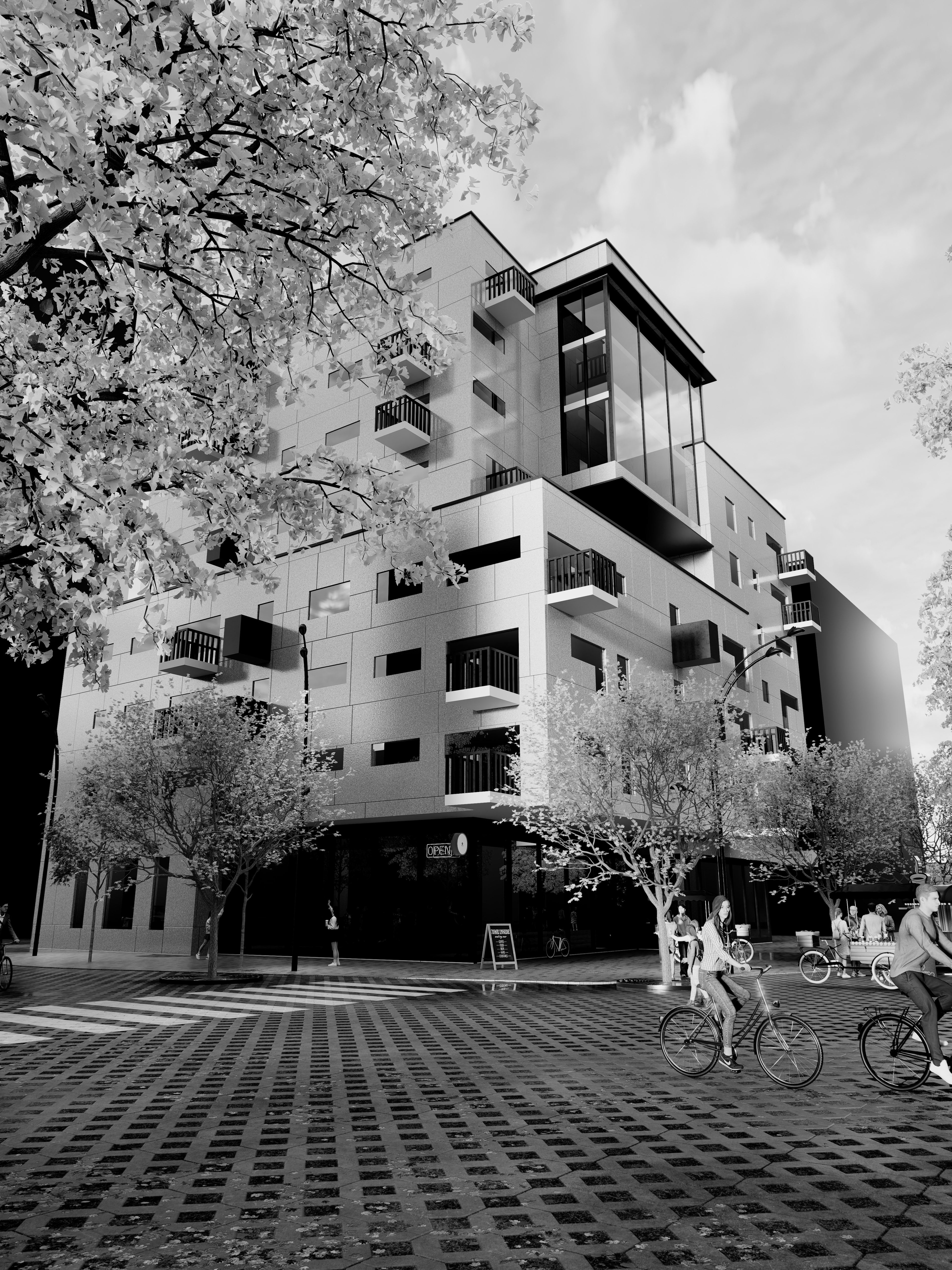
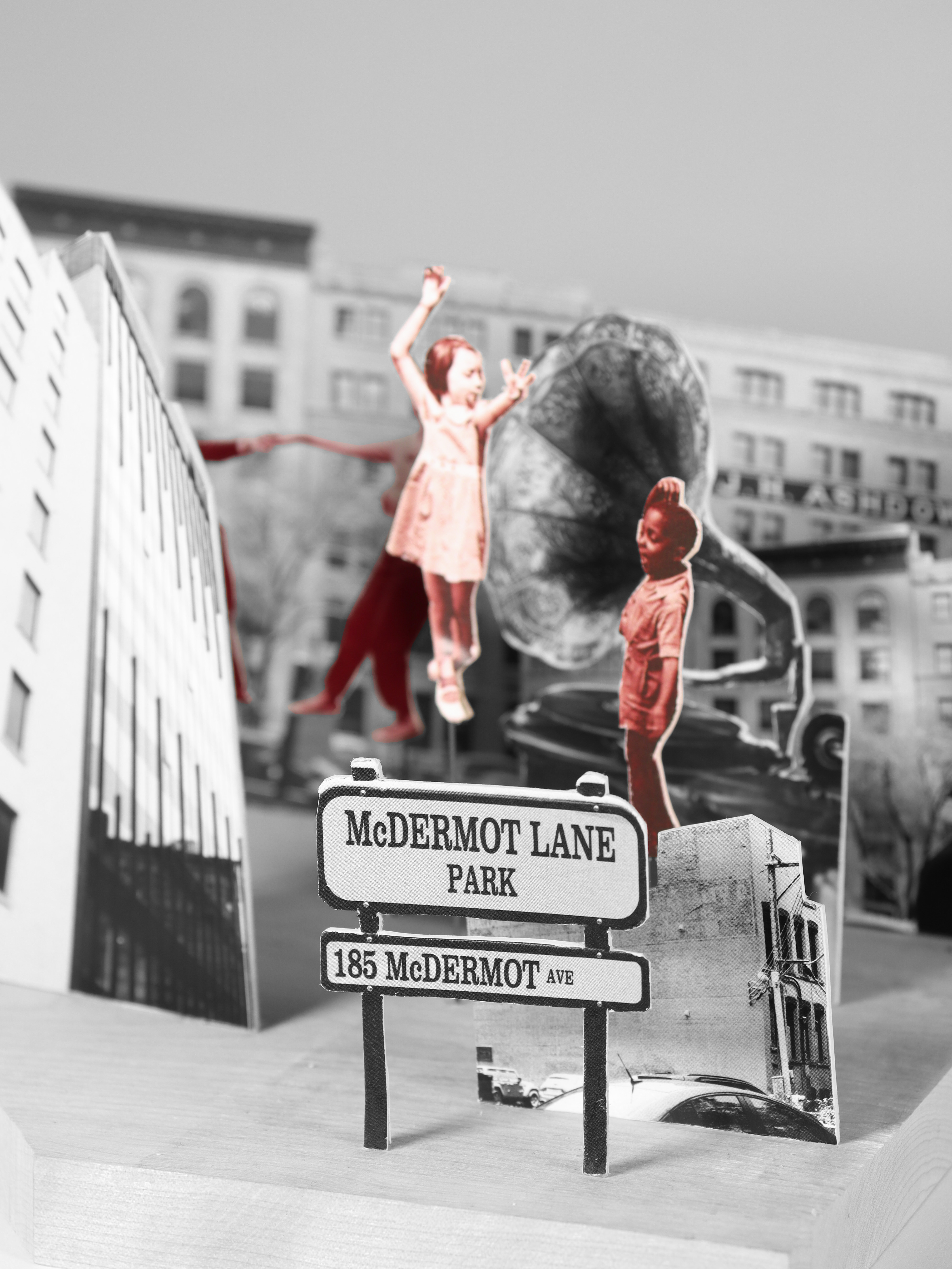
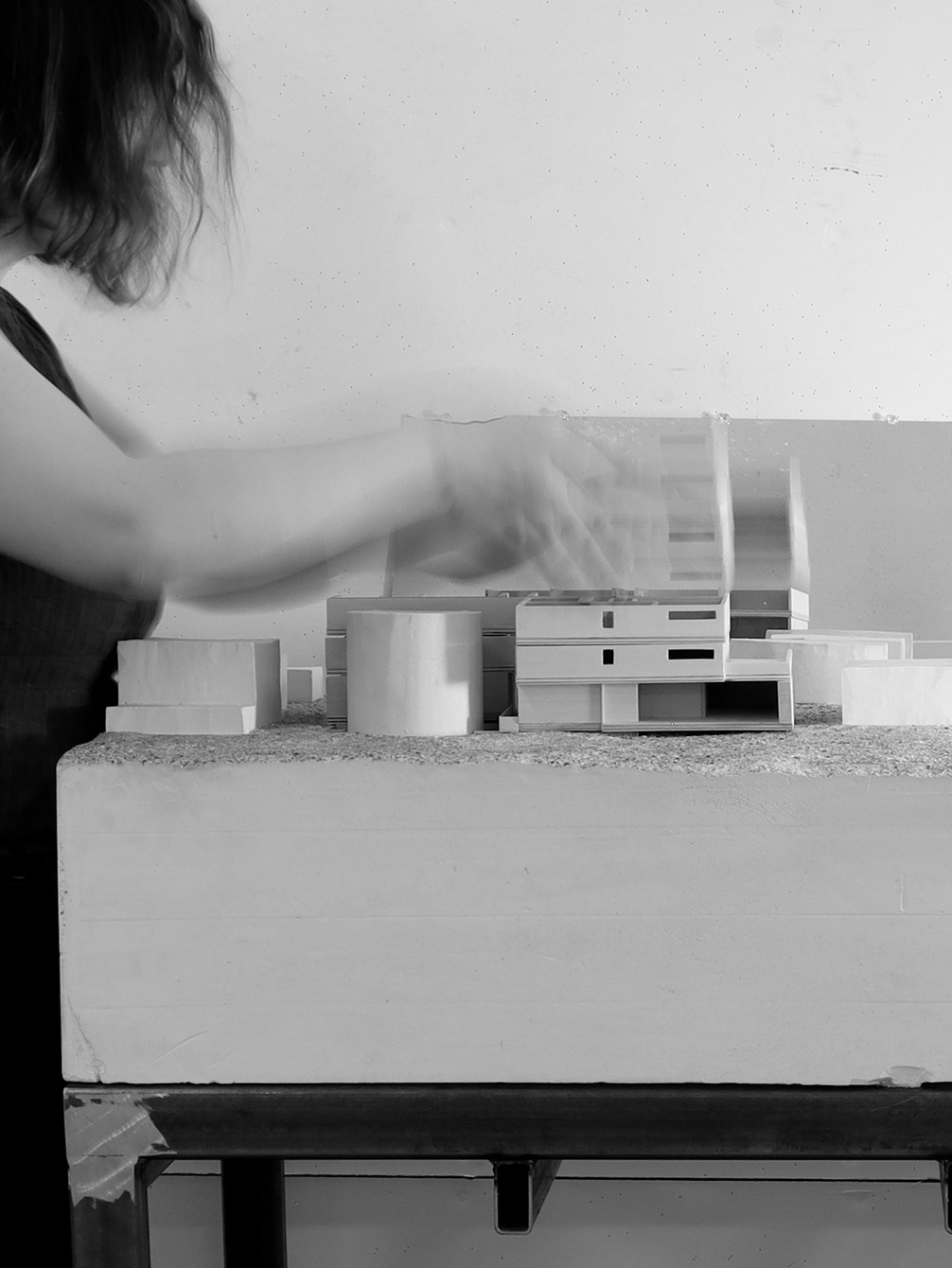
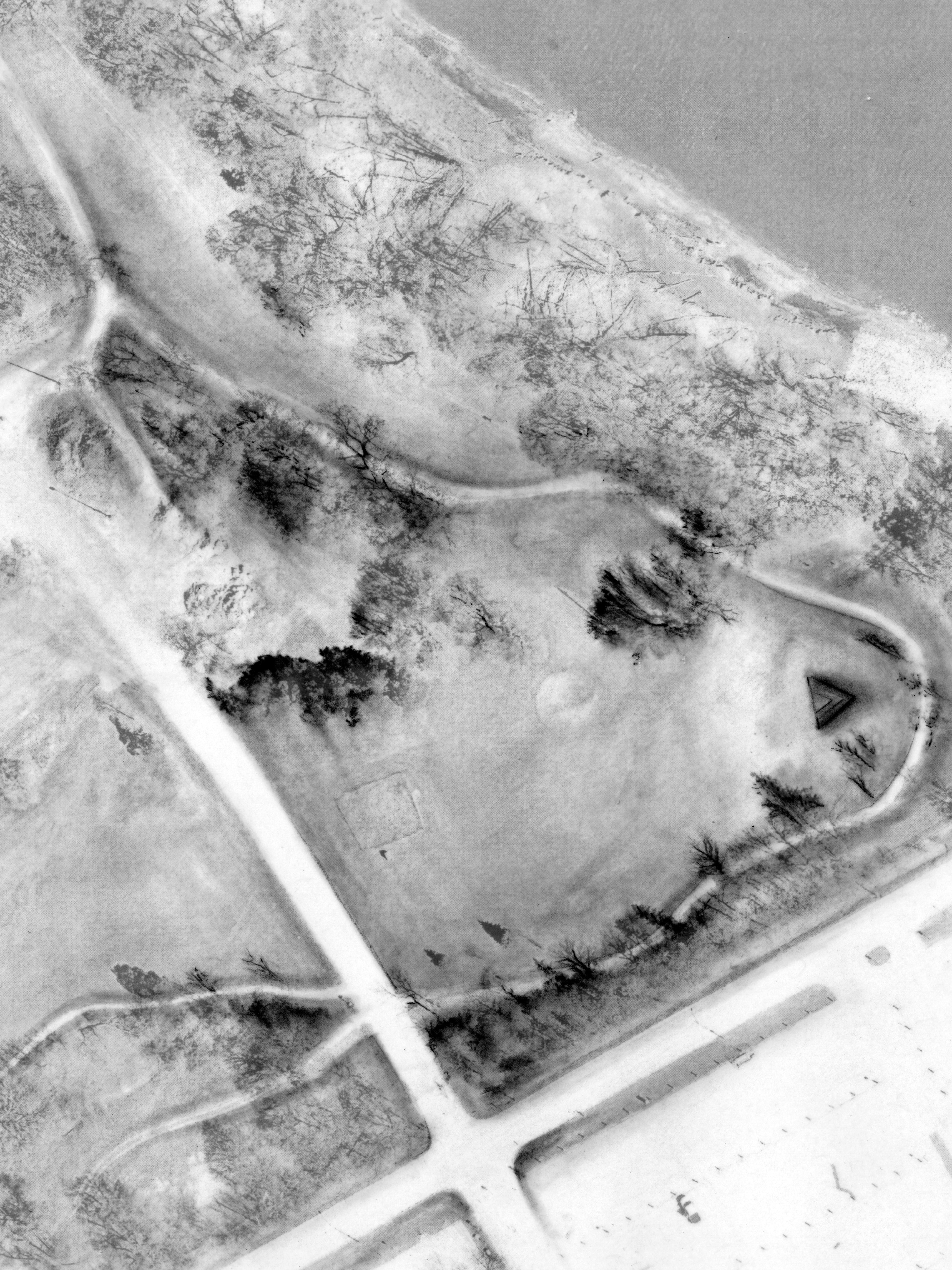
US2085381A begins with the close study of a handheld mechanical scraper, using photography and orthographic drawing to examine its proportions, movement, and changing states. The object is treated less as a fixed thing than as a small mechanical system, with attention given to the forces, tension, and relationships between its moving parts. Through repeated drawing, overlay, and collage, the scraper is gradually abstracted from its original function, producing a set of new formal relationships that become the basis for later spatial investigations.
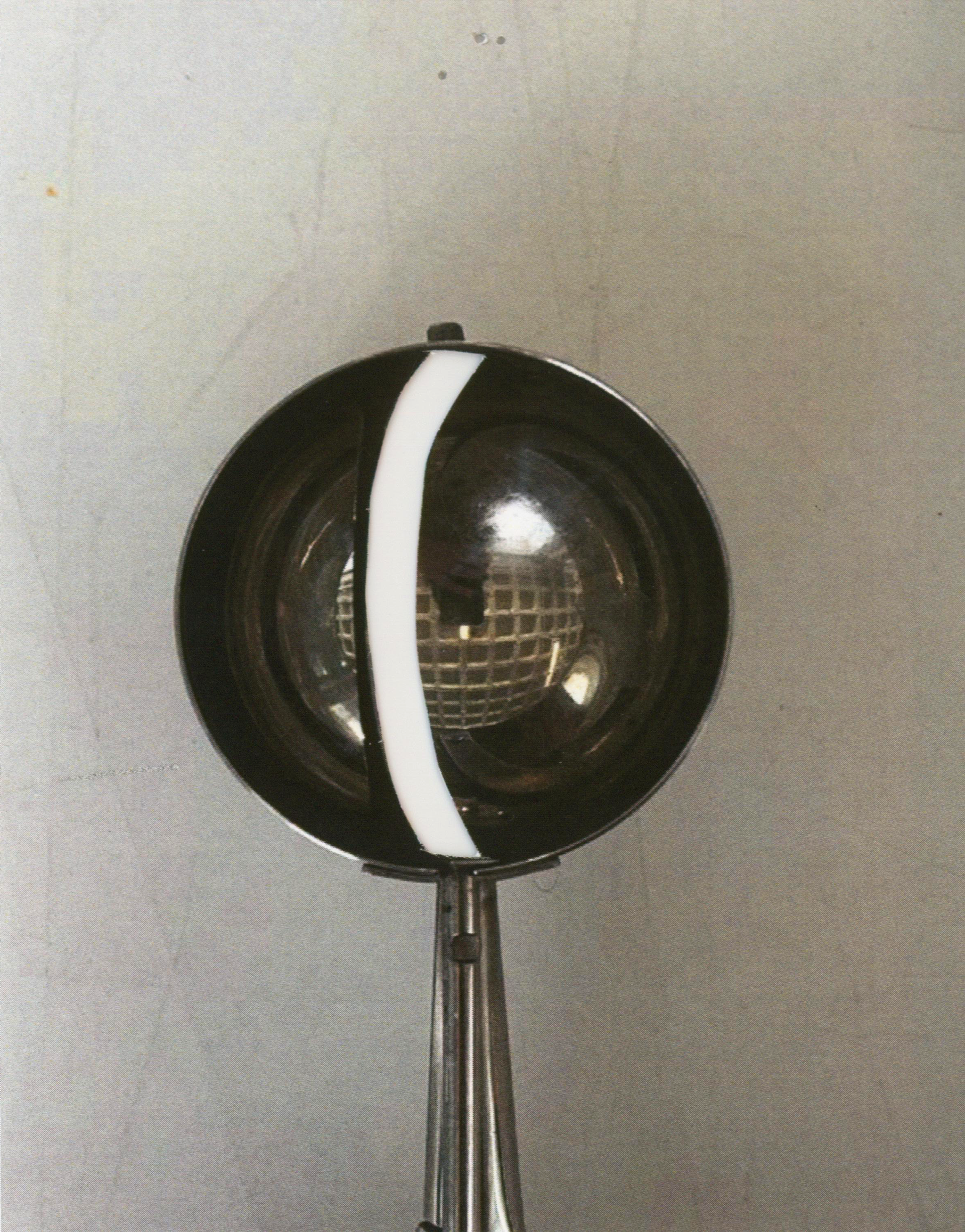
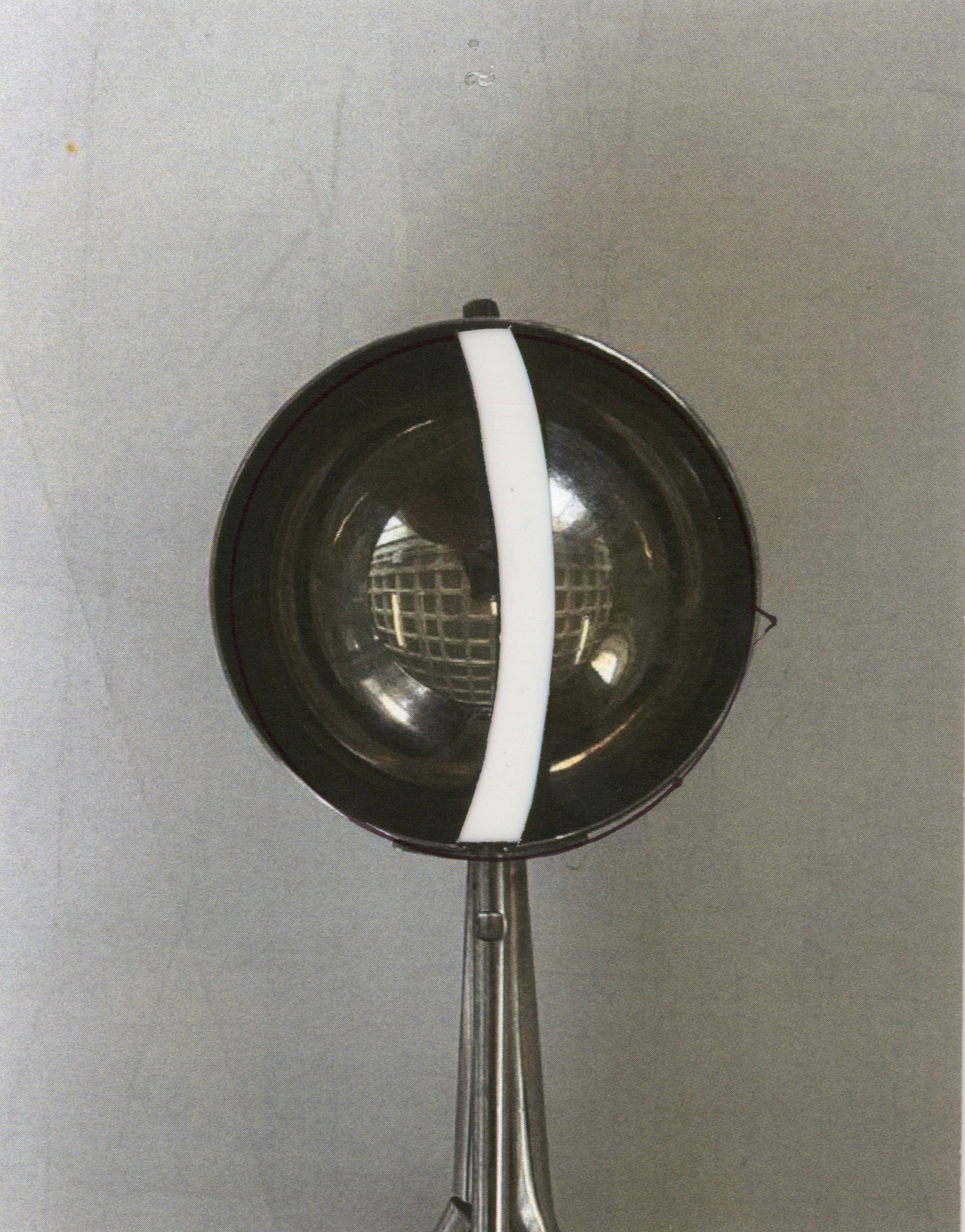
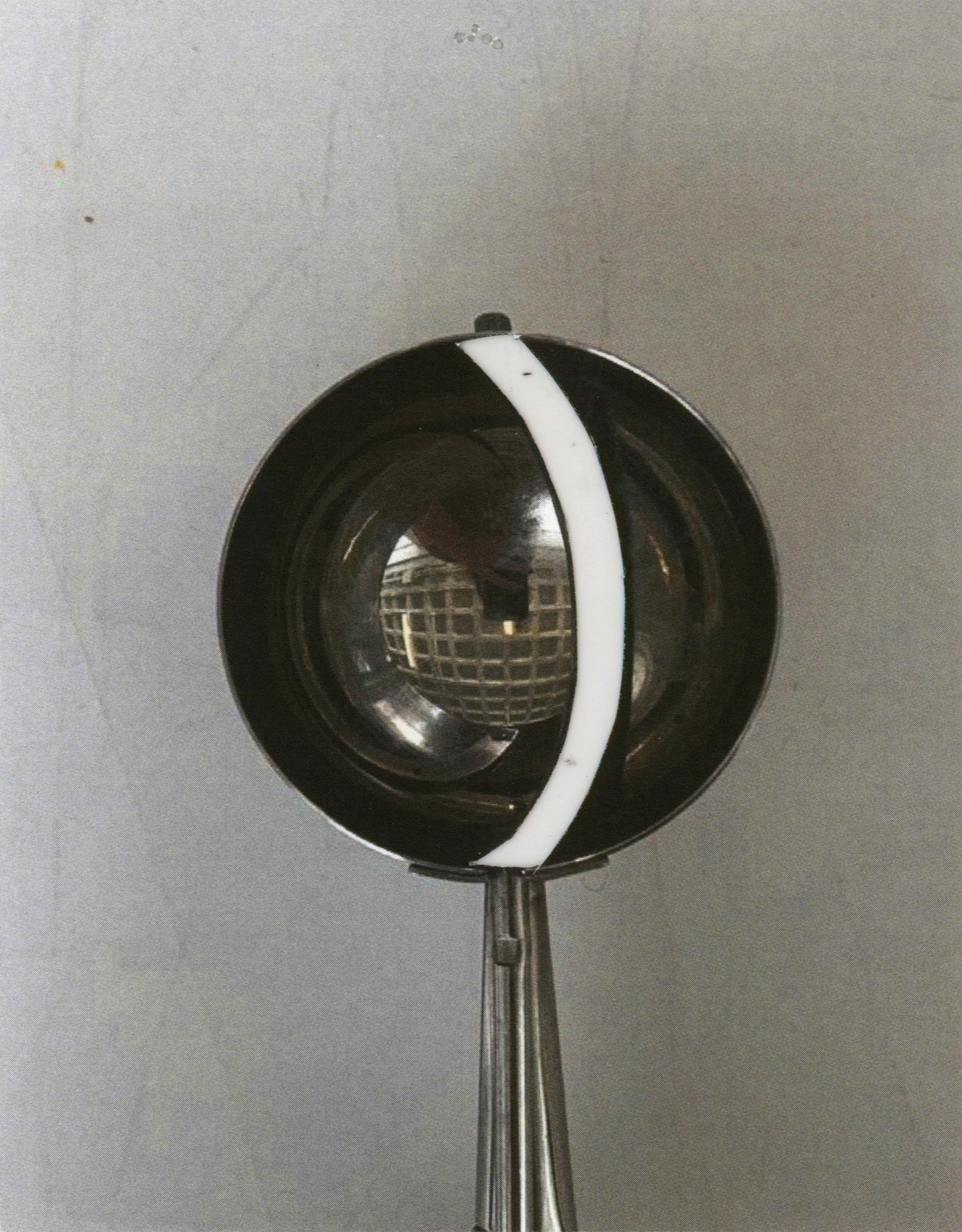
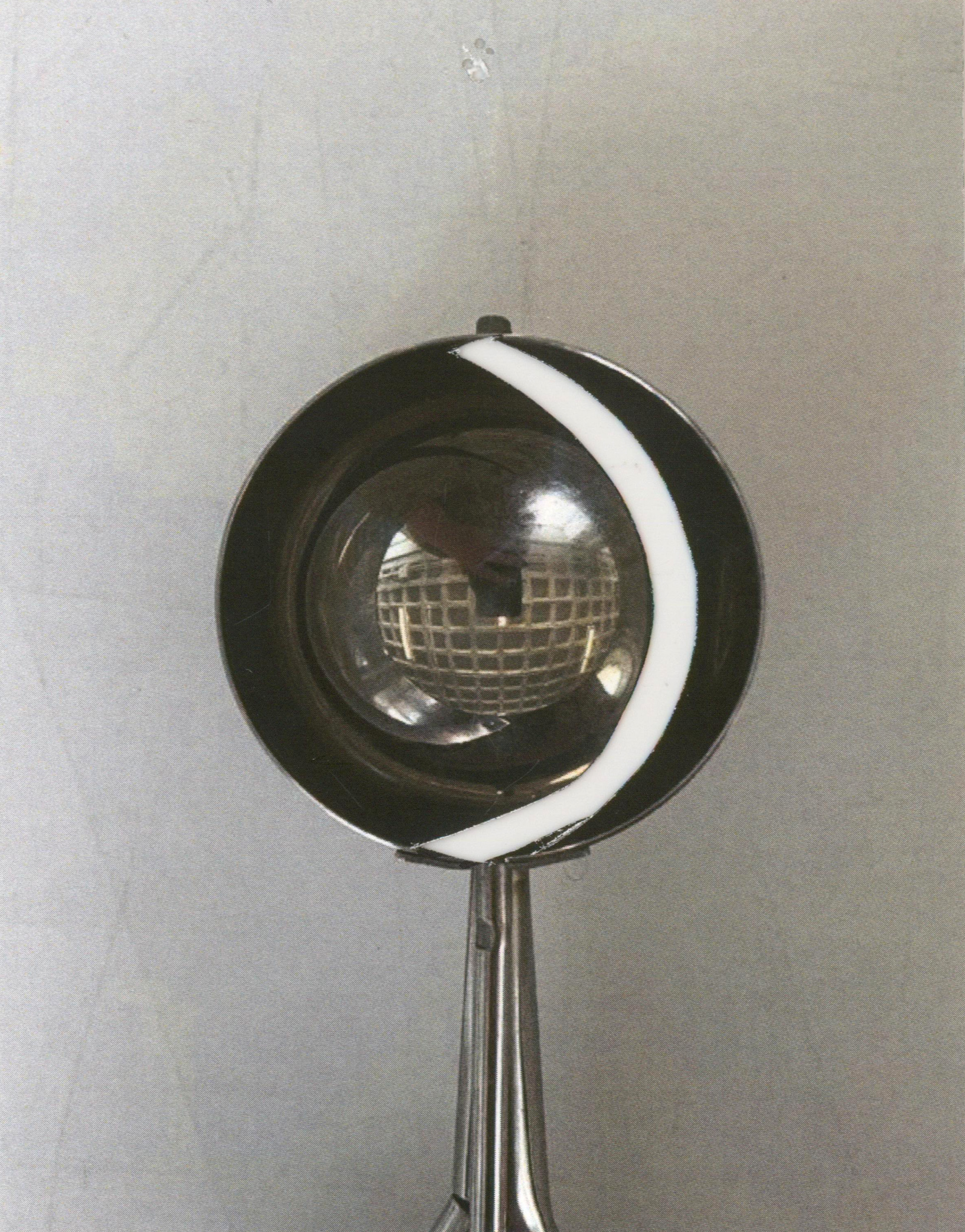
Printed photographs of the scraper were cut, layered, and recomposed to make its movement visible within a single image. By overlaying different positions of the object, the study moves away from depicting the scraper as a fixed form and instead exposes the shifting geometry produced through its motion. The resulting compositions begin to describe the object through trajectory, overlap, and change rather than through a single static view.
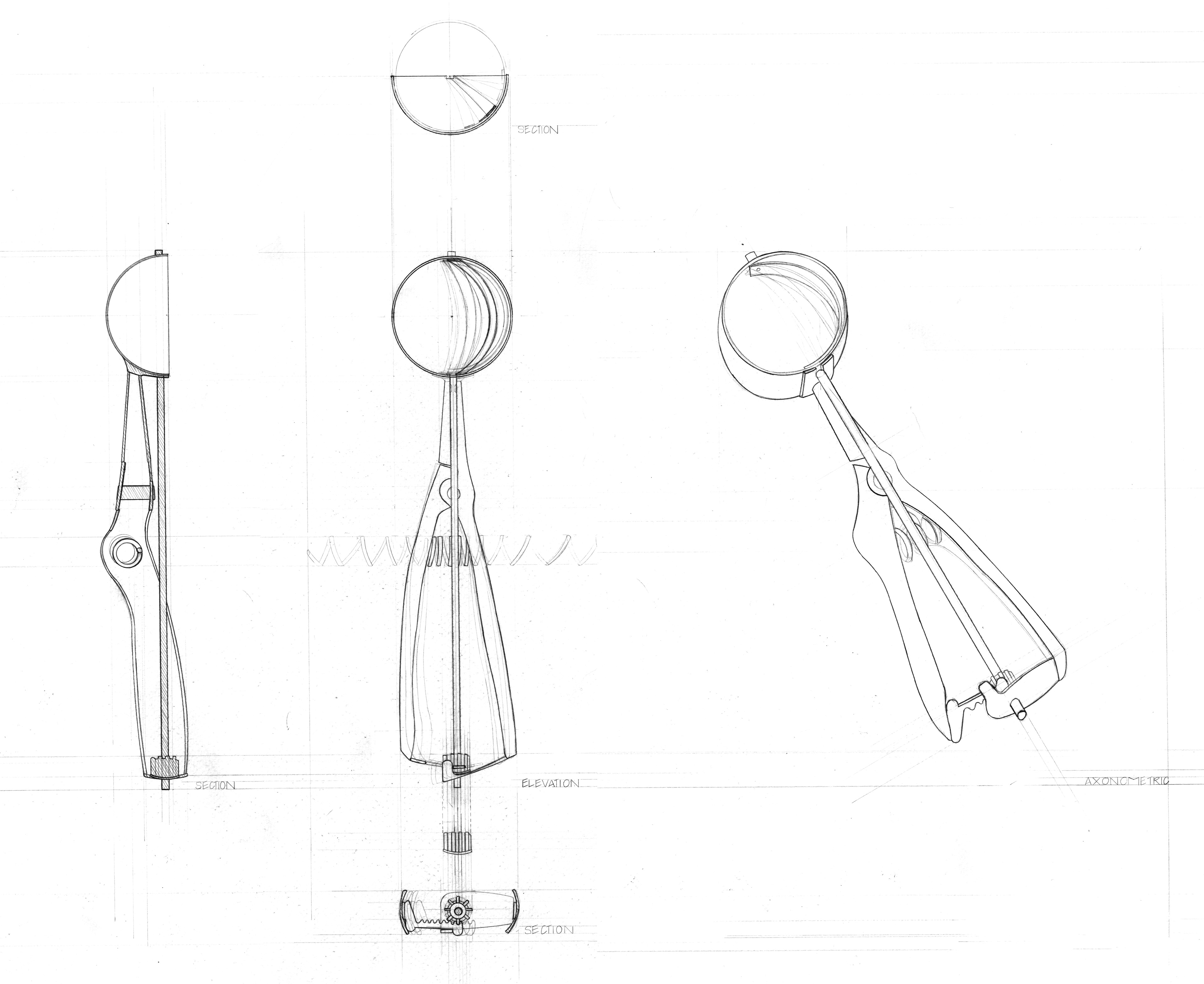
Scaled orthographic drawings of the object were produced, studying its movement over time. The drawings attempt to capture the transfer of forces and tension to produce the scraper’s orbital movement.
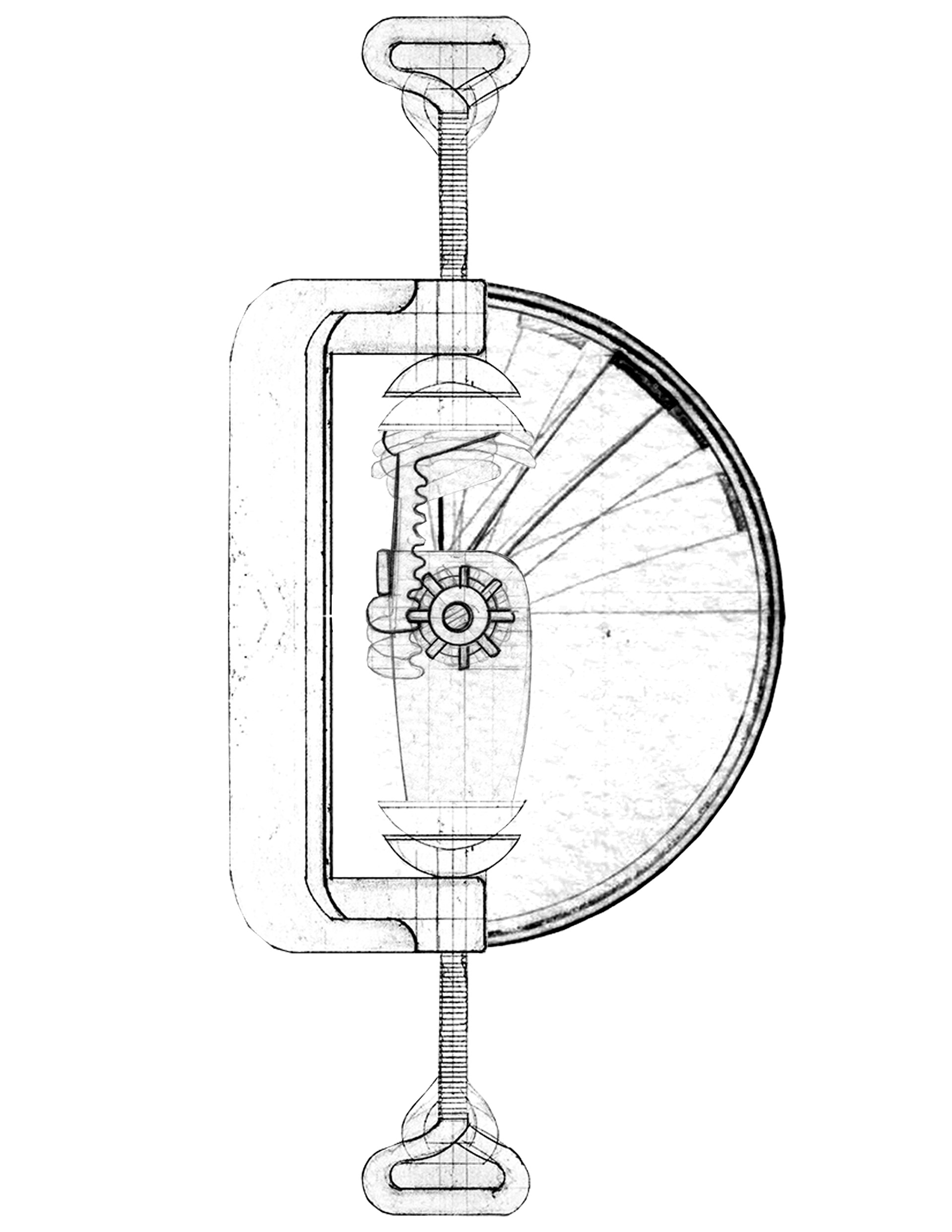
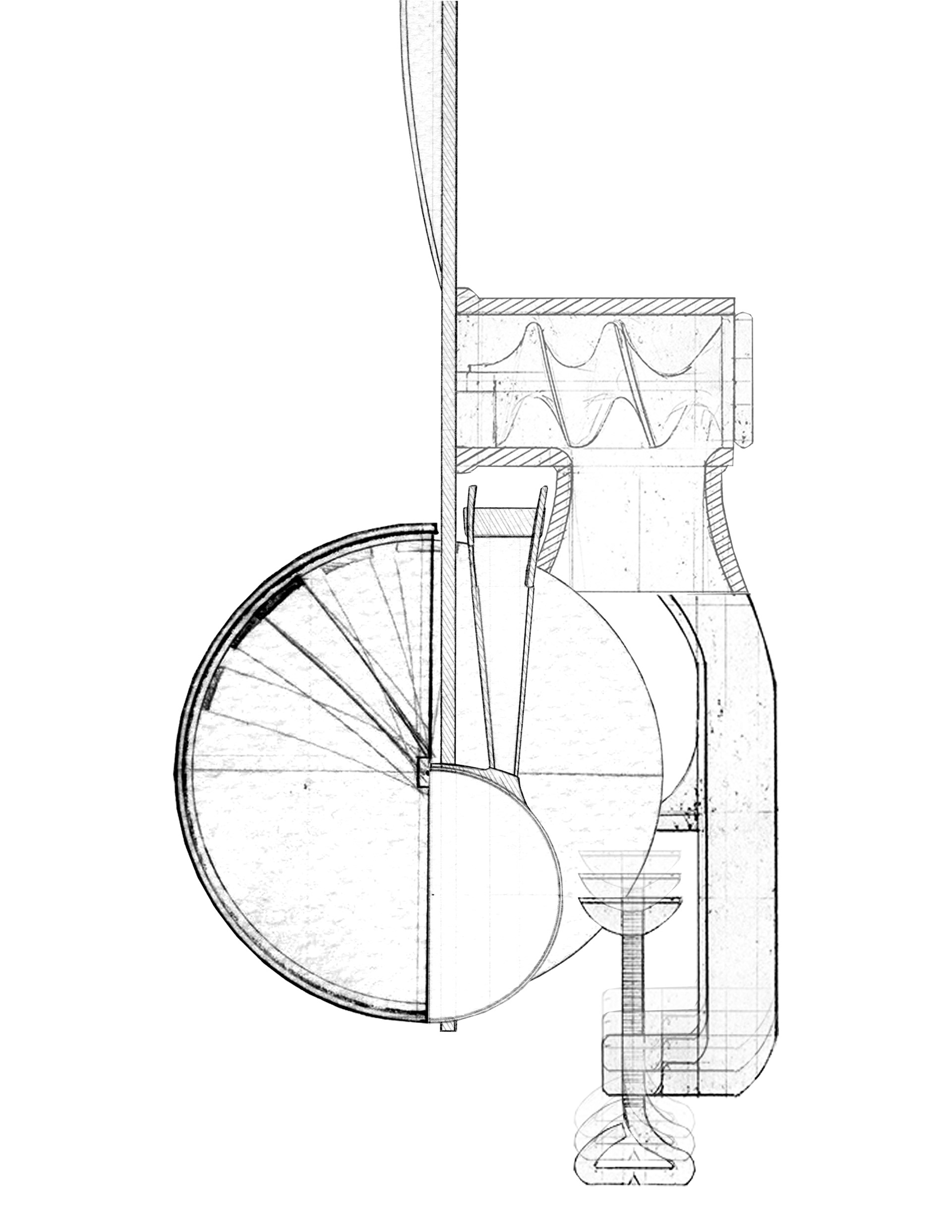
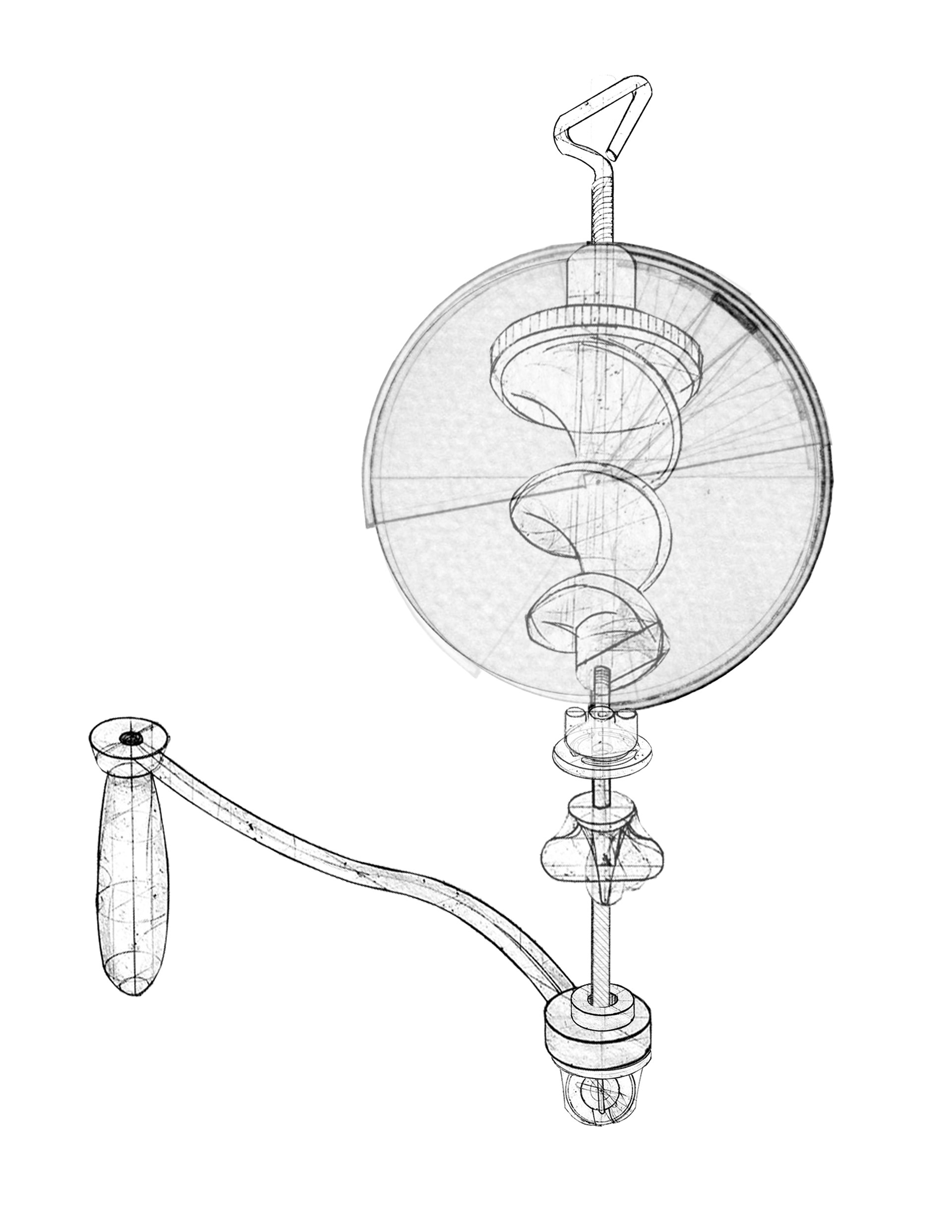
The final collage hybrids combine the scraper drawings with a classmate’s work to produce forms no longer tied to either original object. By cutting, overlapping, and recomposing the drawings, the studies shift from analysis toward invention, using fragments of existing geometries to suggest new spatial and functional possibilities. The hybrids become a transitional step between documenting movement and generating architecture, where the original object is retained only through traces of its proportions, curves, and trajectories.