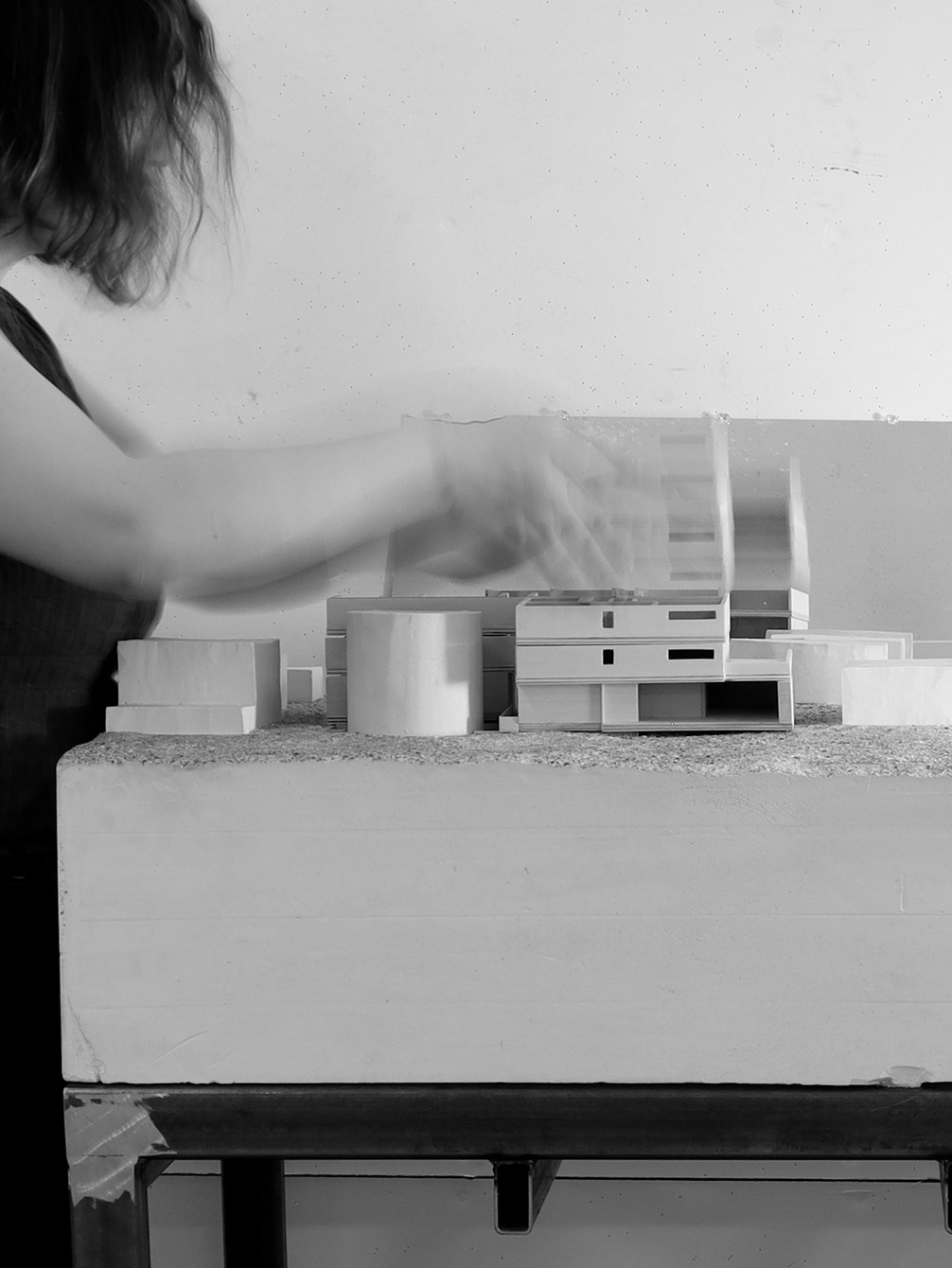
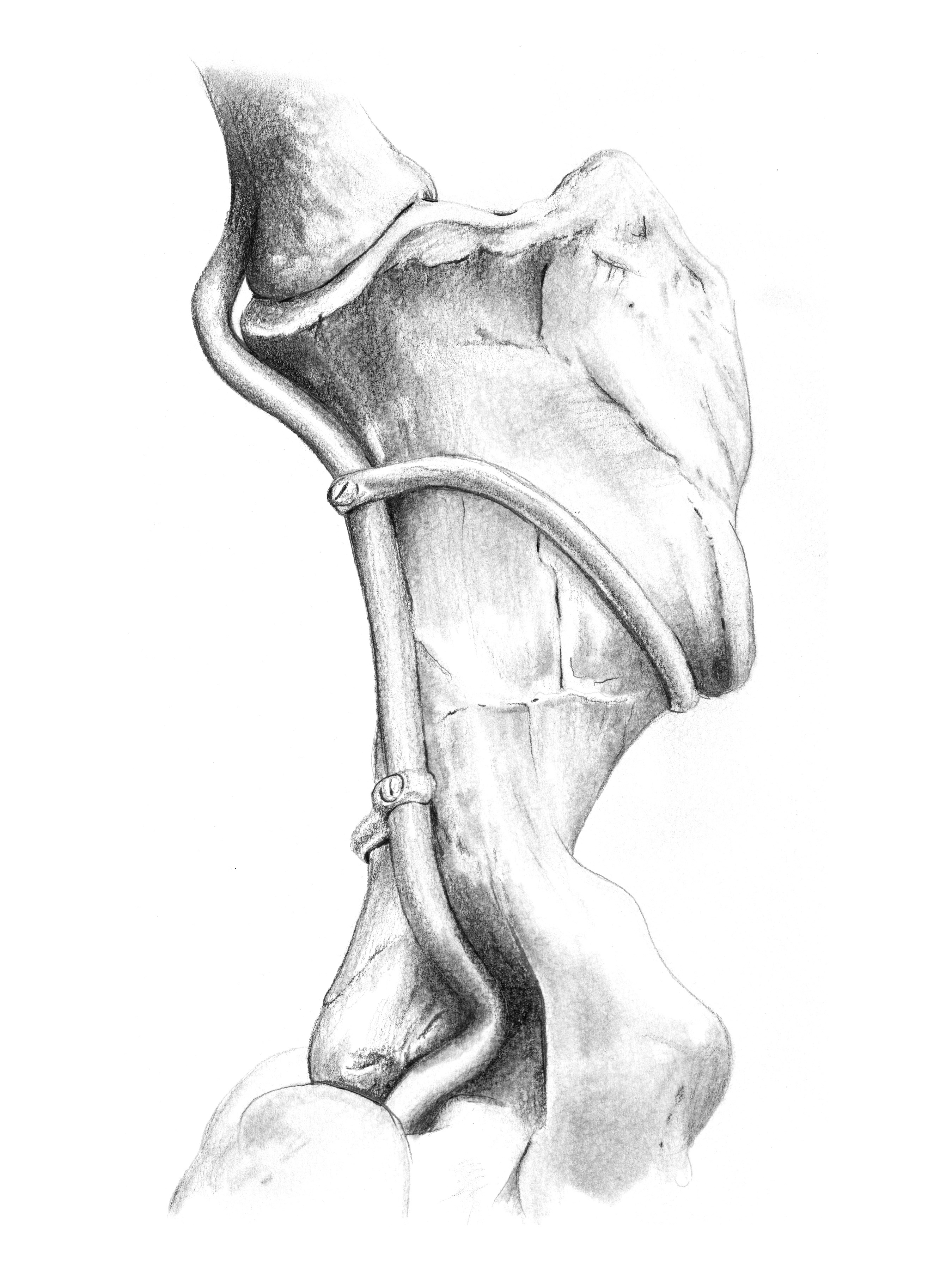
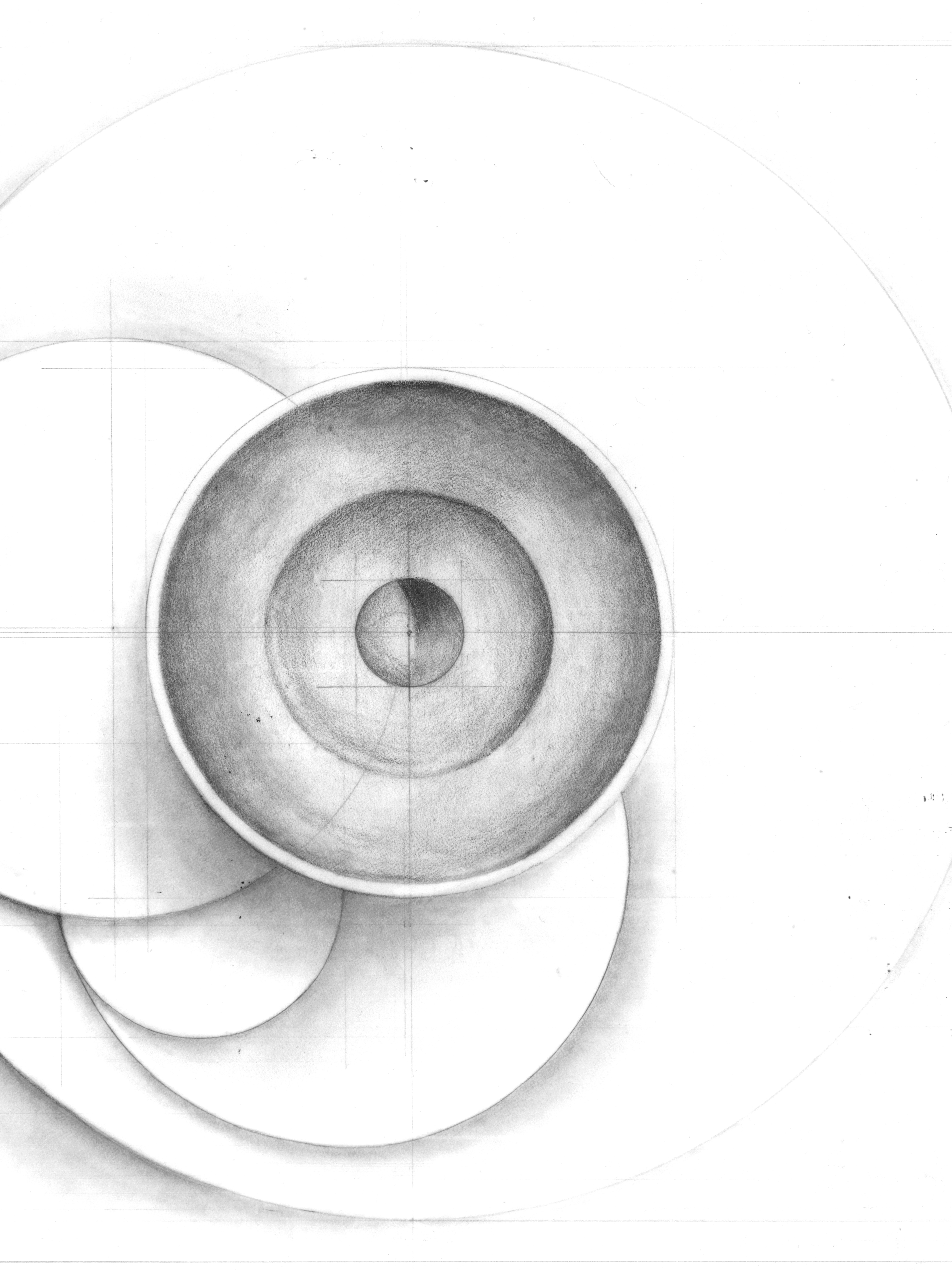
An echo, a stain explores the ways material, image, and space are altered through contact and mediation. An echo is not an original sound, but one changed by the space through which it passes. A stain is residue, a trace left behind through contact. These two conditions frame the work: the scanner studies produce images through shifting relationships of proximity, movement, and perception, while the plaster casts make those encounters materially persistent. In each case, the resulting object is not a reproduction of an original subject, but the remainder of a chain of translations between surfaces, materials, and time. The work moves between the fleeting and the fixed, the immaterial and the material, asking how traces of an encounter can be recorded, transformed, and made spatial.
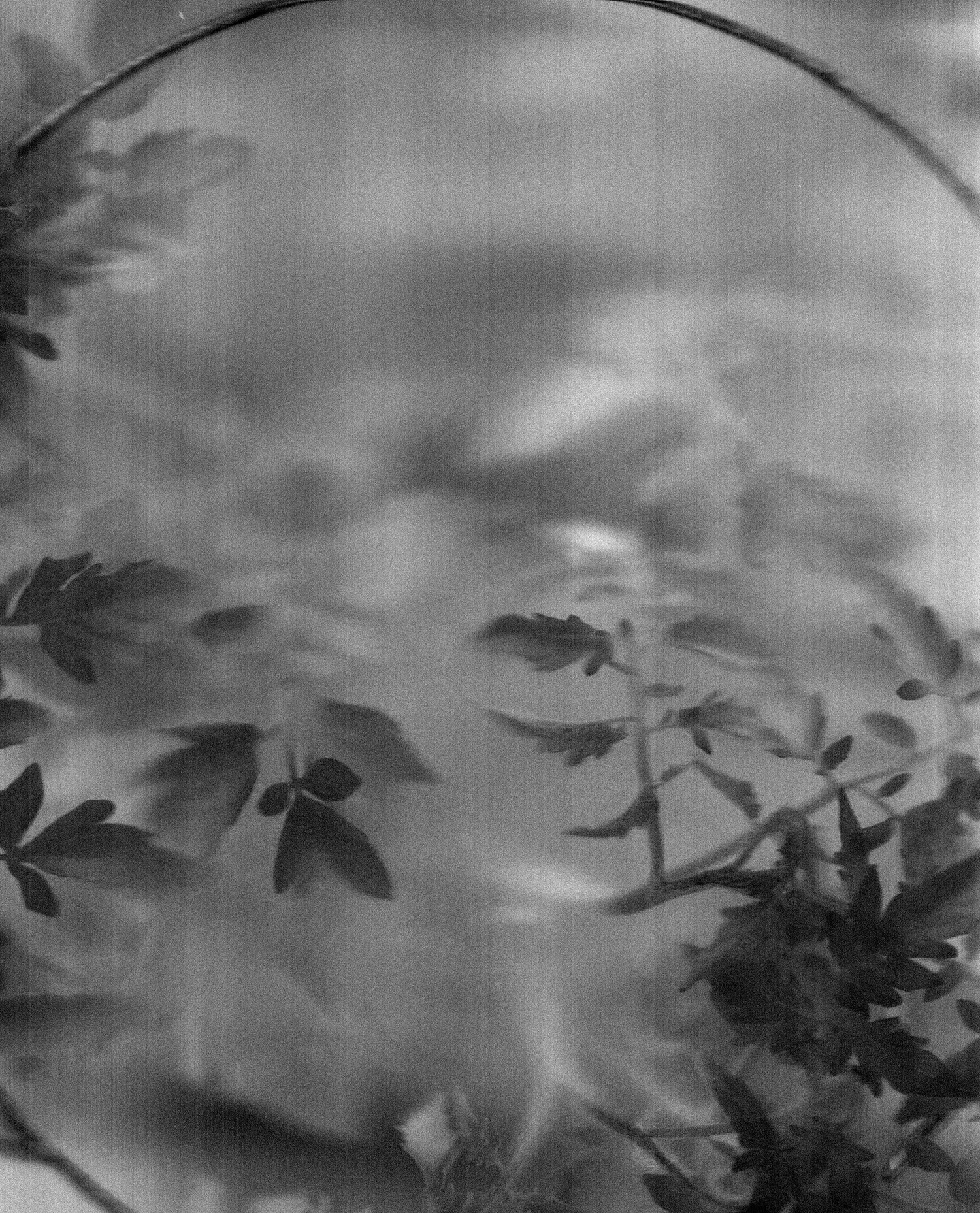
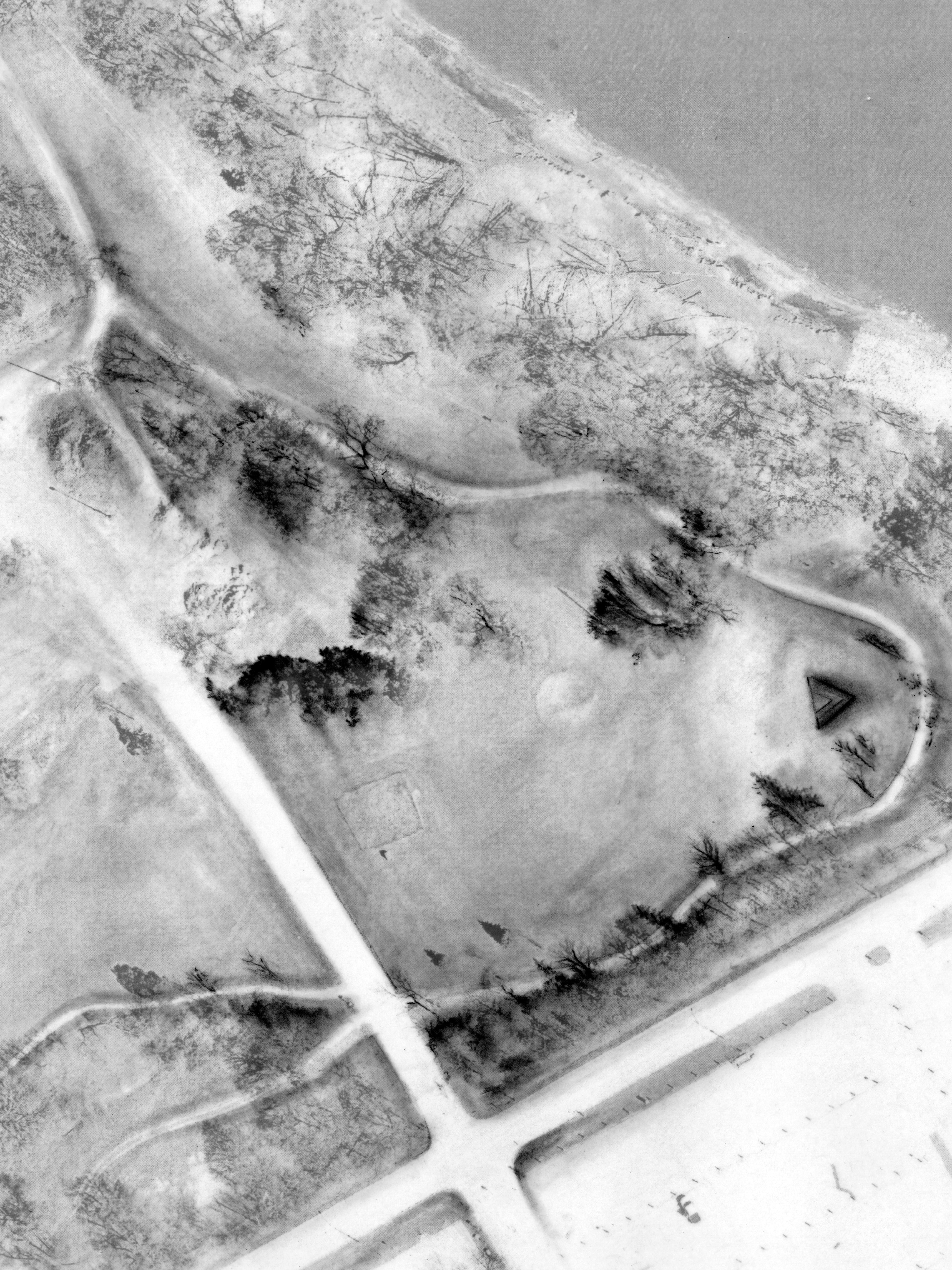
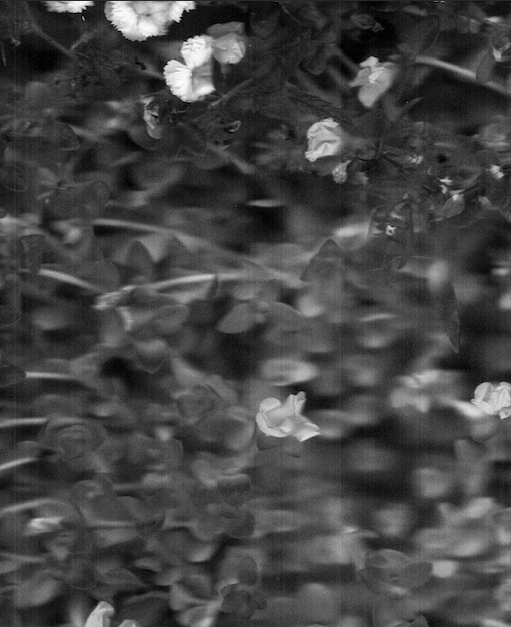
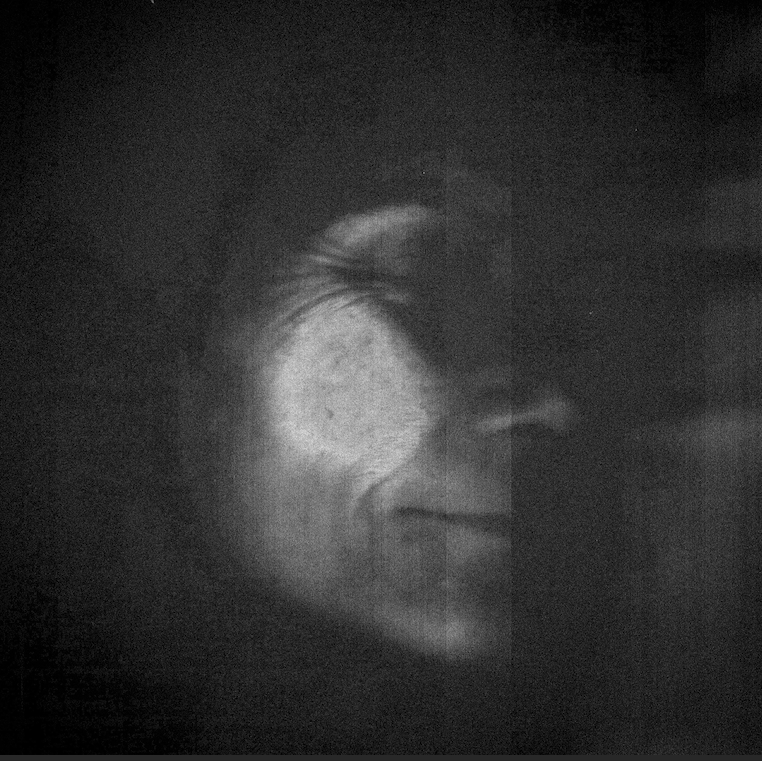
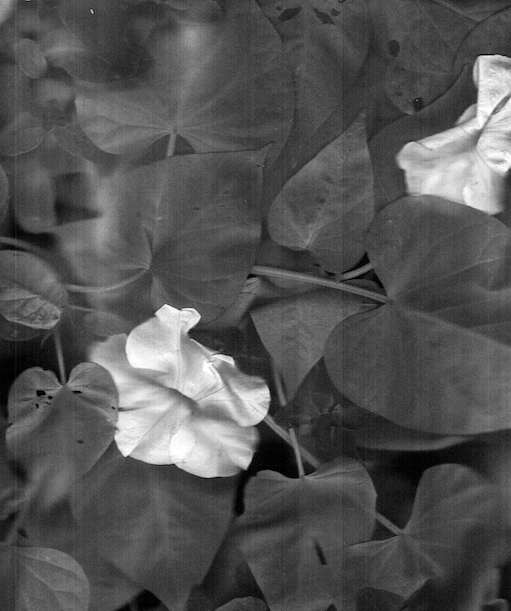
Using a handheld scanner and a sheet of glass, these studies explore how an object becomes legible through contact, proximity, pressure, and distance. The glass acts as a planar boundary between scanner and subject, while the resulting image records not depth itself, but its gradual loss through blur, distortion, and disappearance. Rather than functioning as a neutral recording device, the scanner produces an image through a specific relationship between subject and surface, translating three-dimensional conditions into a flattened field of information.
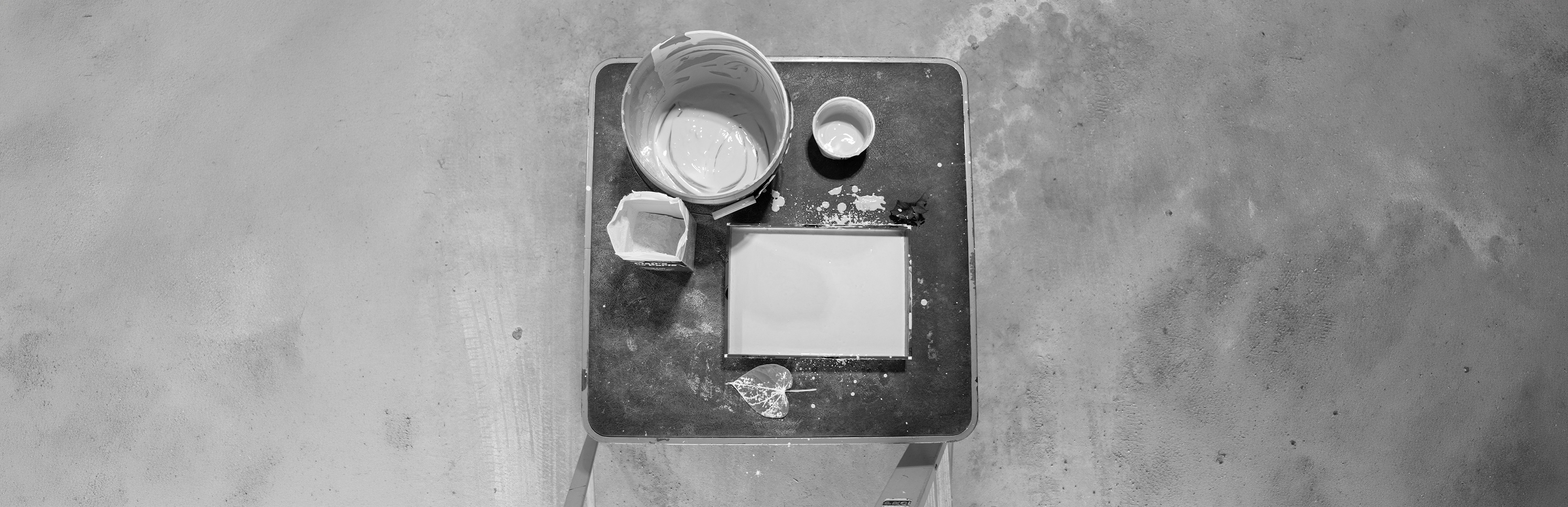
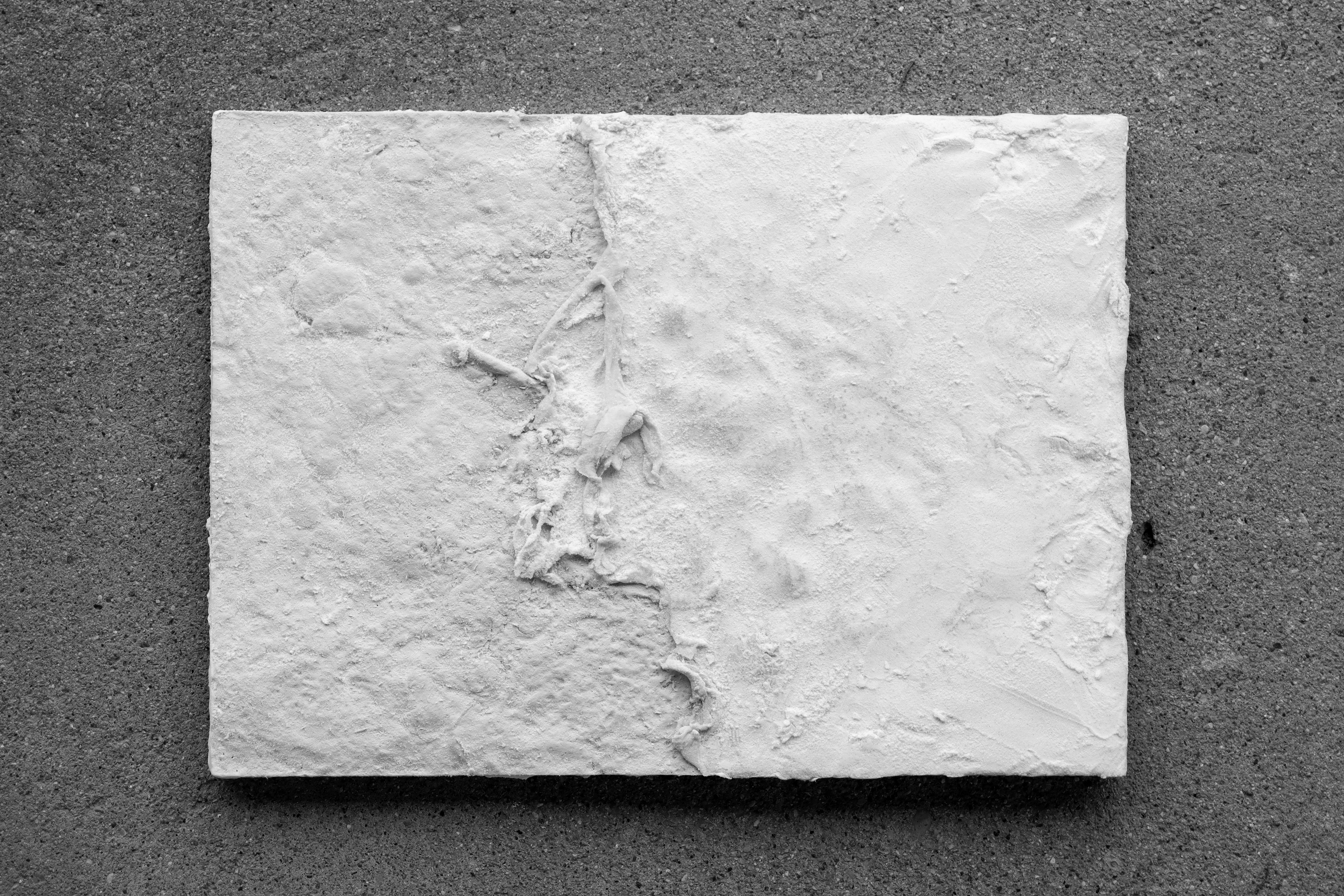
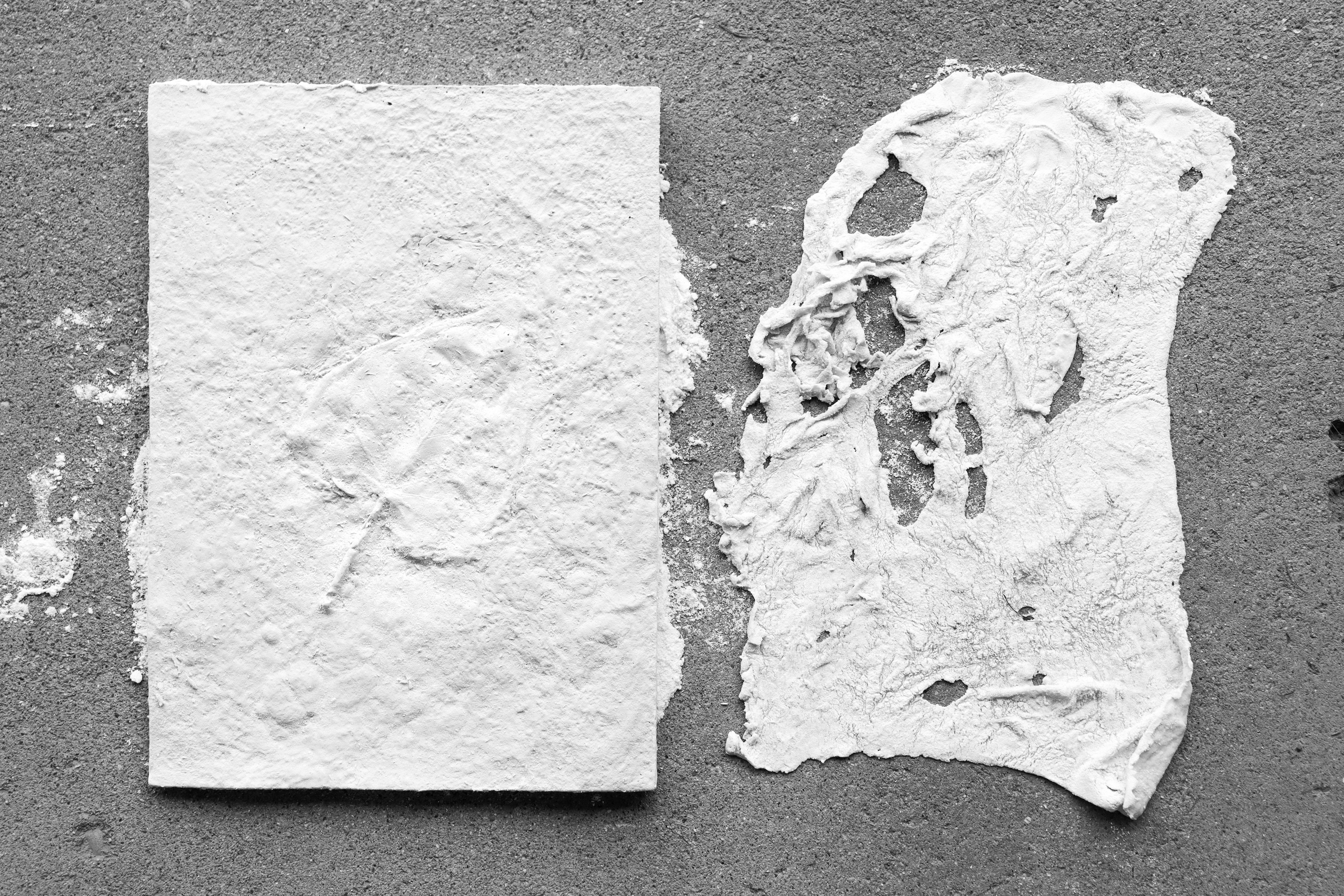
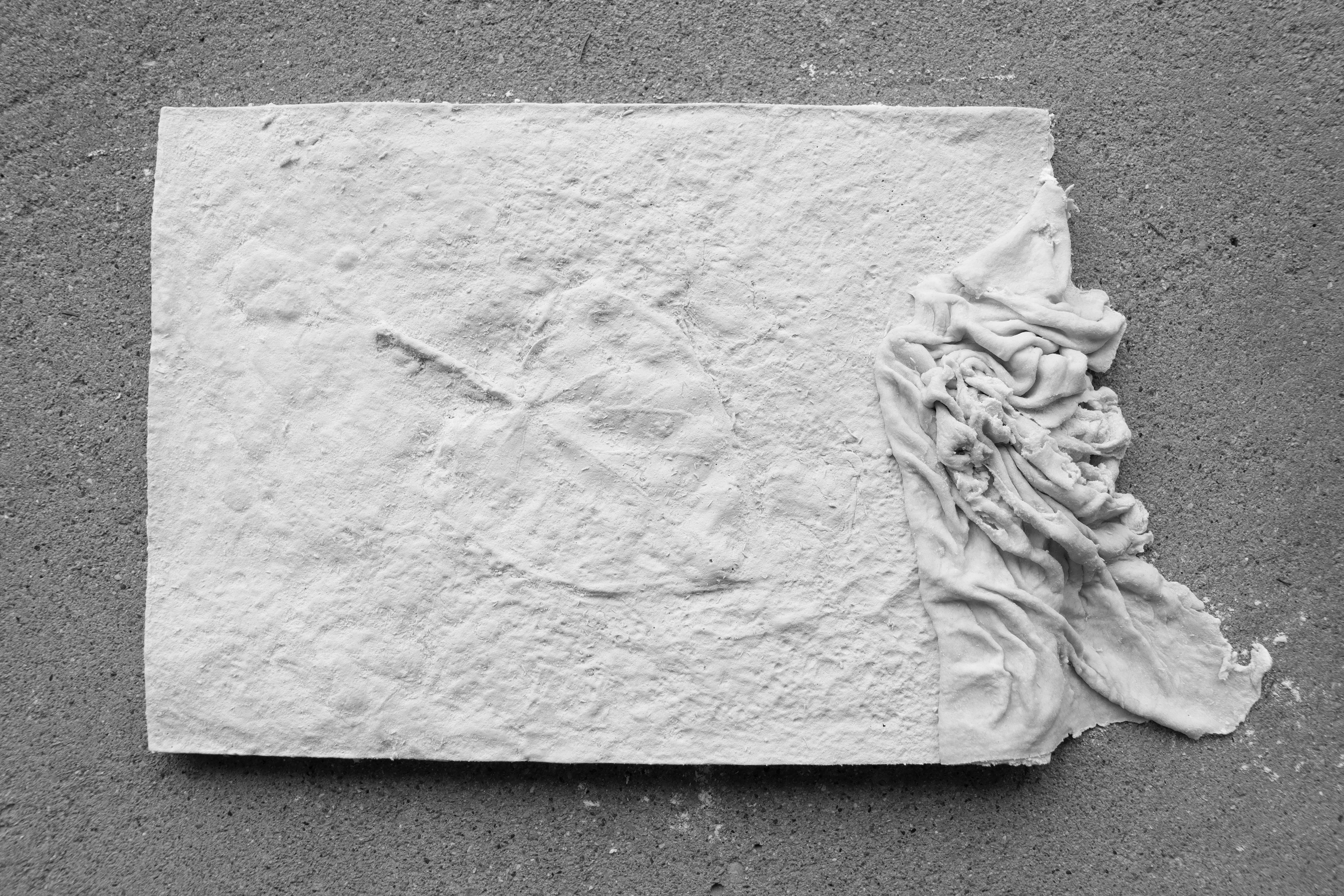
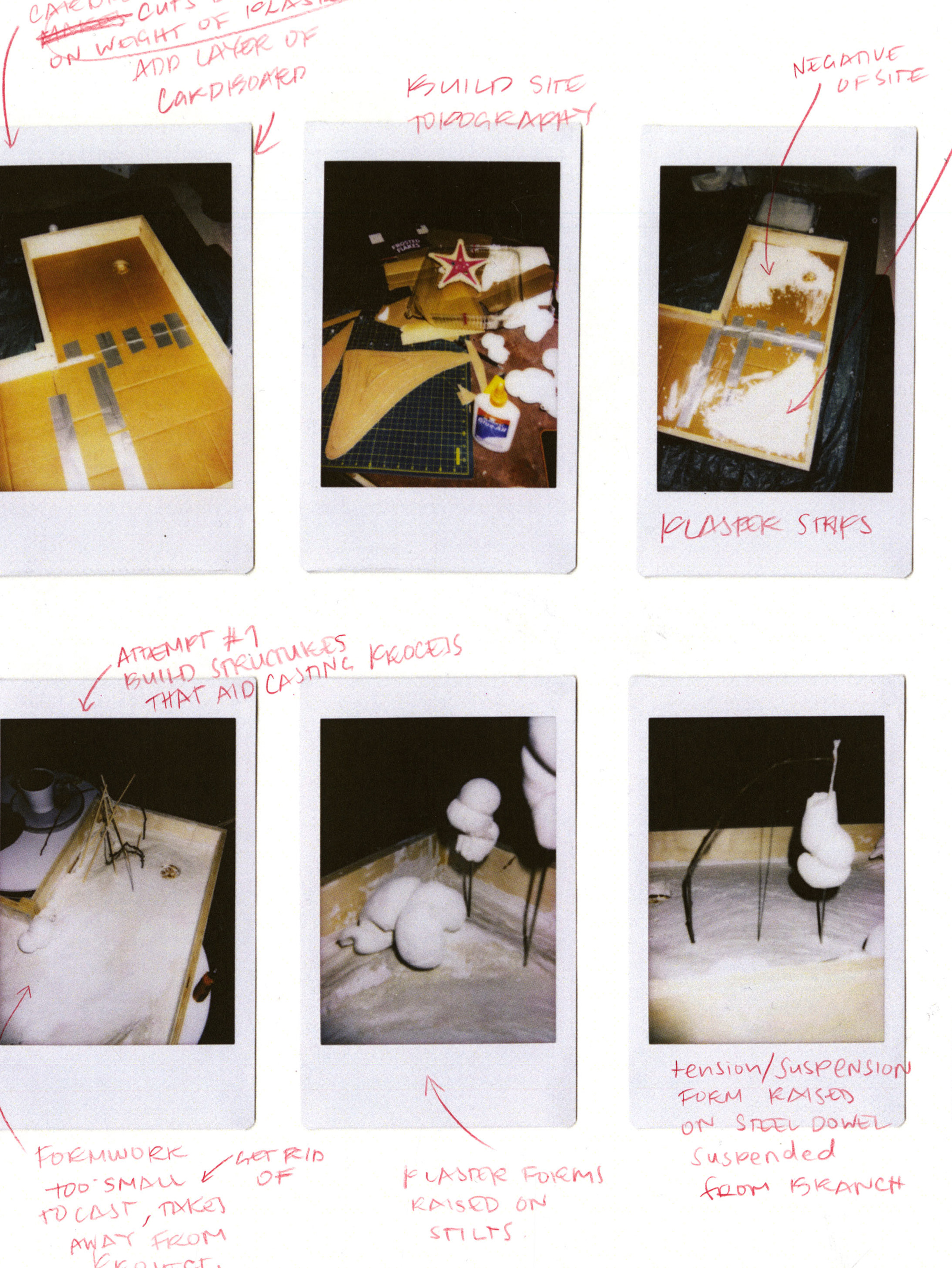
The plaster studies extend the earlier scanner work by shifting from a planar boundary to one with thickness, depth, and material consequence. Plants are pressed into a bed of flour, leaving an impression that is then received and translated again through plaster. The resulting cast is not a direct reproduction of the original object, but the material remainder of a sequence of contacts between plant, flour, moisture, and plaster. In this process, boundary becomes less a line or surface and more a condition of adhesion, transfer, and duration.
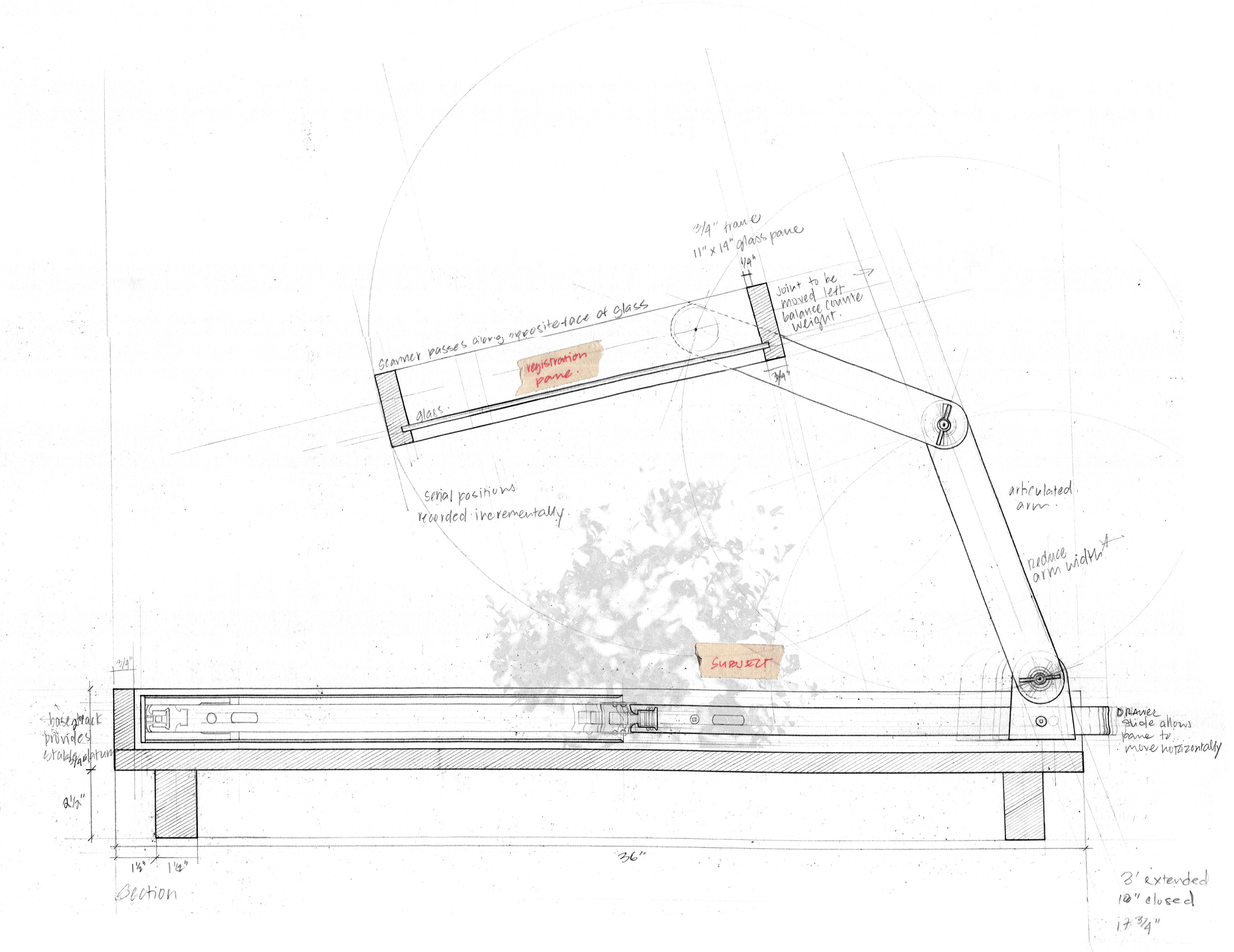
The apparatus extends the scanner studies by introducing time and sequence into the act of recording. Rather than collapsing the relationship between subject and surface into a single image, it produces a series of scans as the subject moves through changing spatial conditions. Each image captures only one moment within a larger encounter, allowing changes in proximity, contact, and legibility to be read across the sequence. Meaning begins to emerge not only within each image, but through the intervals and differences between them.